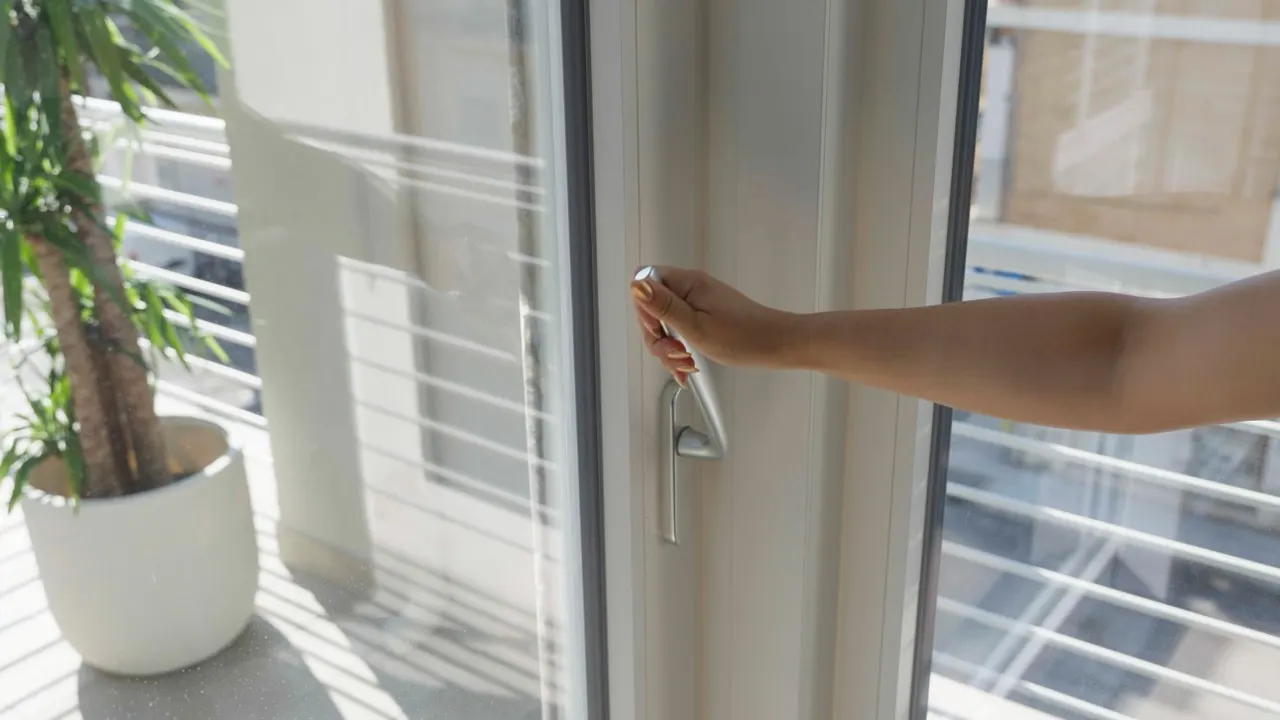
01
The heat stops outside
External shading intercepts the sun before it hits the glass. That is why a lowered roller shutter cools better than any blind fitted inside the house.
Slats in insulated aluminium or uPVC

Insulated aluminium or uPVC
Manual or motorised. In most cases they are replaced from the sill, with no building work. Free site visit between the Teramo coast and the Piceno area.
The moment you notice
You pull the strap and it turns freely. Something inside the box has come away and the window stays shut.
The slats have bent, they rattle in the guide and to close it you have to guide the curtain with your hand.
In winter you run your hand under the box and feel the draught. In summer the bedroom at midday is an oven.
These are three symptoms of the same problem. An old roller shutter is not just awkward: it is the point where the house loses heat in winter and takes it in during summer. And it can nearly always be changed without touching the wall.
What changes with a new roller shutter
A roller shutter is not an accessory of the window. It is the part that shields you from the sun before the sun reaches the glass, and at night it is what lets you sleep in the dark and in silence.
01
External shading intercepts the sun before it hits the glass. That is why a lowered roller shutter cools better than any blind fitted inside the house.
Slats in insulated aluminium or uPVC
02
New slats that meet properly and guides made to measure: light no longer leaks through the gaps and the street is far less audible. On the sea side, in the morning, that is the difference between sleeping and getting up at six.
Guides replaced with the curtain where needed
03
With a motor the strap disappears from the wall, and with it the part that breaks first. What is left is a button, or a remote if you would rather not touch the wiring.
Tubular motor inside the roller
Choosing the material
uPVC is the lightest and cheapest choice and on a normal-sized window it does its job without trouble: it does not oxidise, it is quiet running, it cleans with nothing. Beyond a certain width, though, the slat tends to bow, and strong sun makes it work over time.
Insulated aluminium is a folded sheet slat filled with polyurethane foam: it weighs little, insulates better than air-filled uPVC and above all does not distort. It is what makes sense on French doors, on wide spans and where you want complete darkness. There is also steel, more resistant to being forced but heavy and cold: you choose it when the issue is security, not insulation.
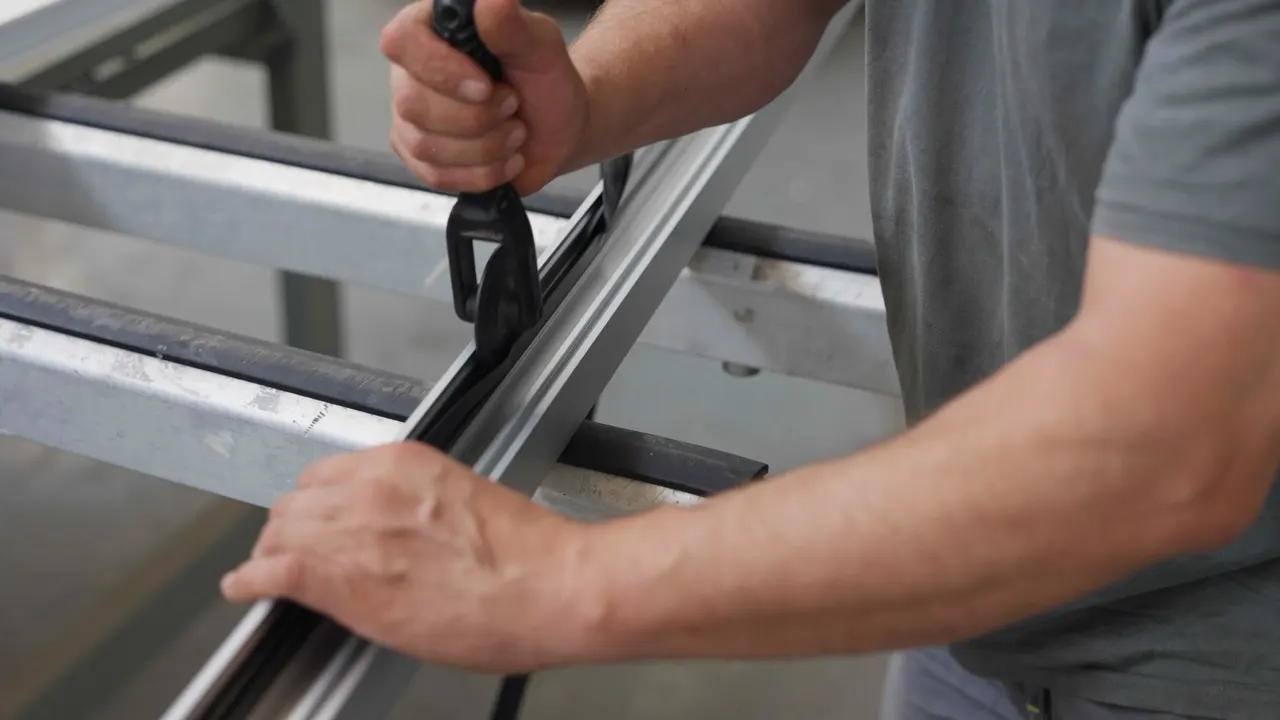
The replacement
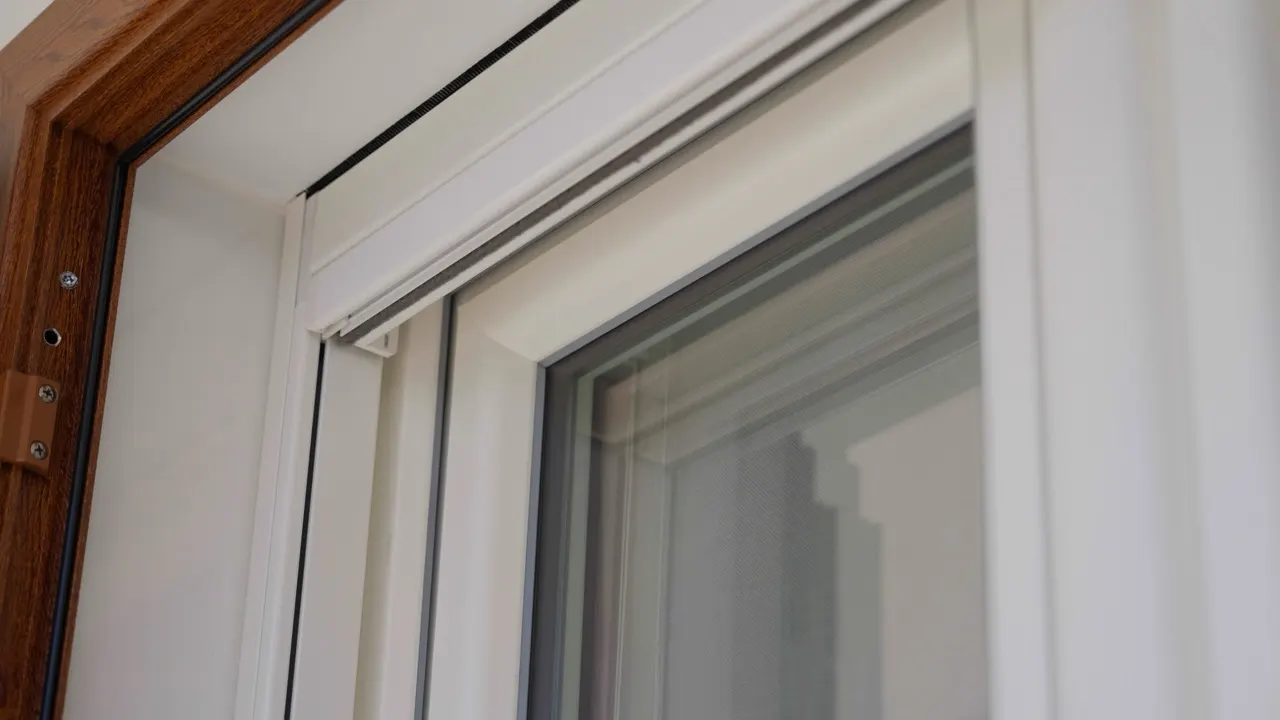
If the guides and the box are sound, the old curtain comes out from the top and the new one goes in its place: the work is done from the sill, with no dust and no making good. The wall is only touched if the box is broken through or if you are changing the window as well. We see that at the site visit, by opening the box, and we tell you before writing the quote.
The quote
There is no single price, and anyone who gives you one over the phone without having seen the window is guessing. The same items always move the number. The size of the opening, because you pay by area and a French door is not a bathroom. The slat material, with uPVC at the bottom and insulated aluminium higher up. Motorisation, which adds the motor, the control and the work of getting power to it.
Then there are the items you can only see on site: the state of the box and the guides, whether they can stay as they are or have to be redone, and how many you change at once, because fitting eight in the same house costs less than fitting one today and one in six months. The site visit is there to close down these variables before putting a figure on paper.
How we work
We measure the opening and open the box to look inside. Half the problems of a roller shutter are in there, not on the curtain you can see.
Material, colour, guides, roller, motor and, where needed, insulation of the box: every item with its price, and we explain them one by one.
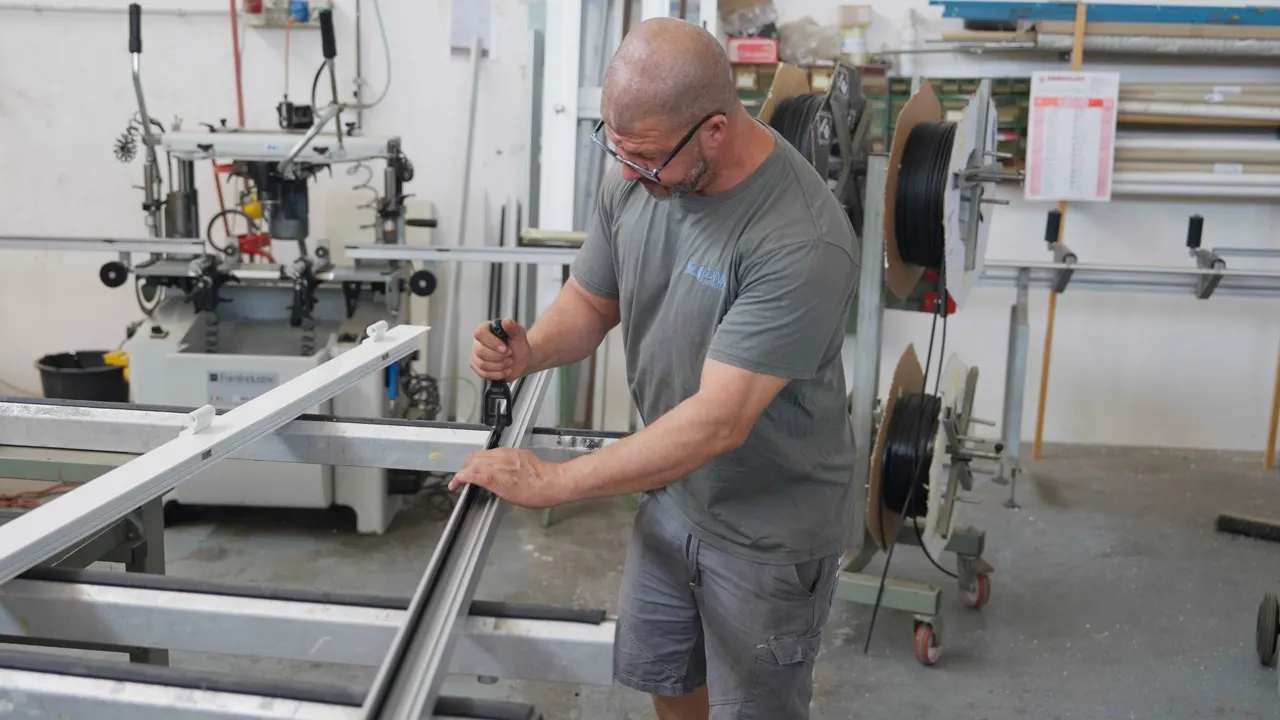
We make the curtain to measure in the Martinsicuro workshop and come and fit it ourselves. We take the old one away and leave the place clean.
We run every roller shutter up and down in front of you before we leave. If an adjustment is needed over time, we come back.
Tax deduction
Roller shutters are blackout closures. Replaced together with the window they fall within the window works; on their own they may fall under solar shading, which has its own technical requirements. The money comes back in ten equal yearly instalments and we prepare the ENEA filing.
Rates, ceilings and requirements change every year with the Italian budget law and differ between a main and a second home. The dedicated page has the current figures.
Our work
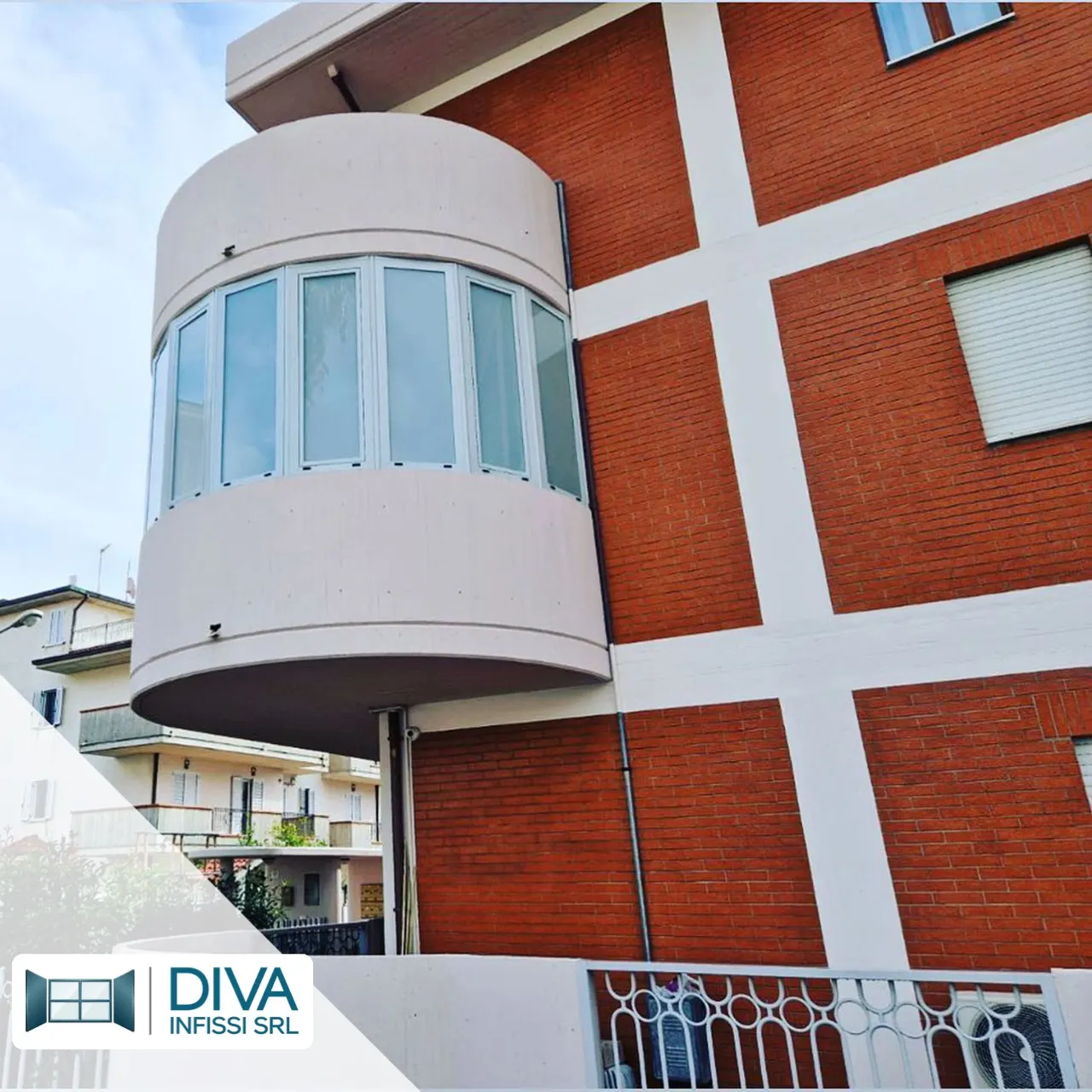
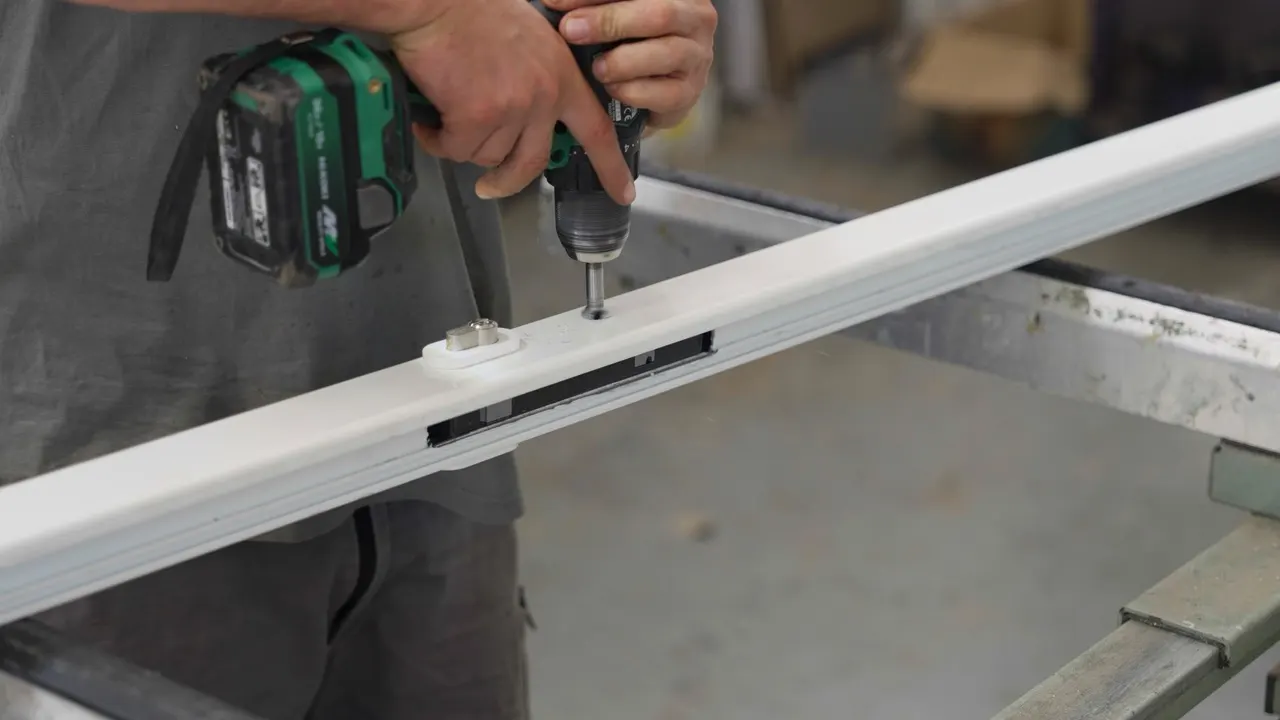
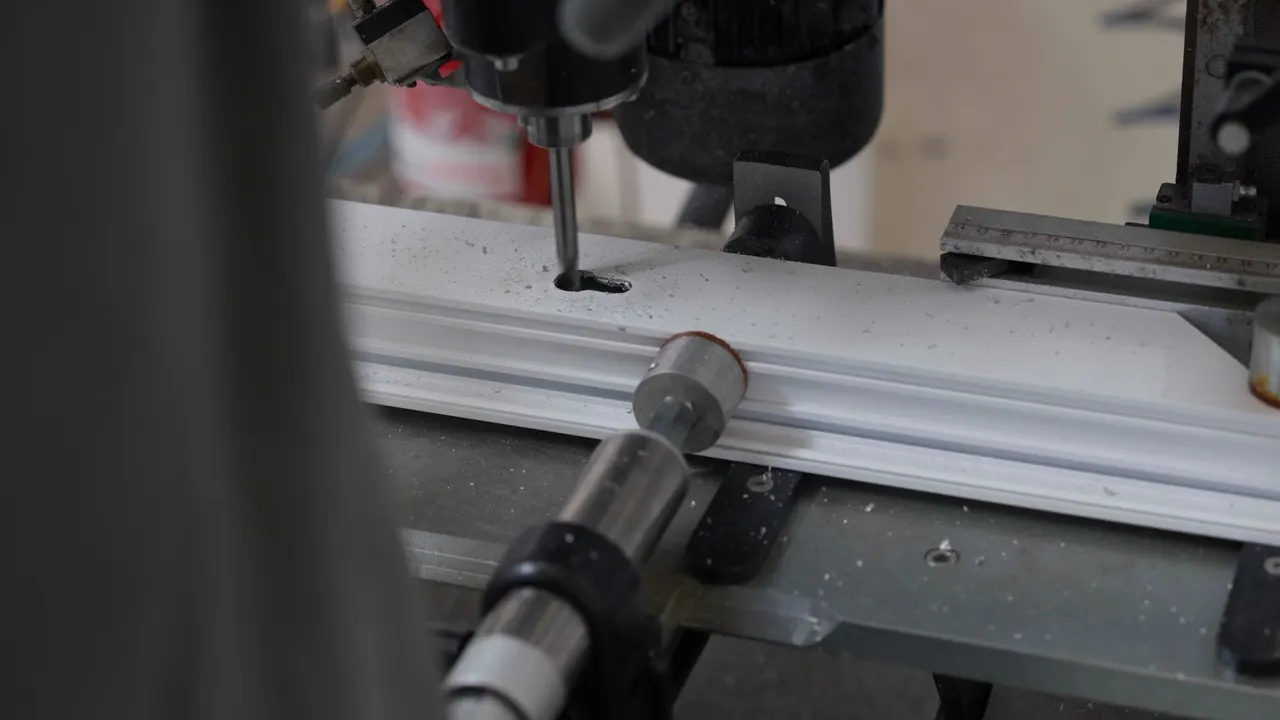
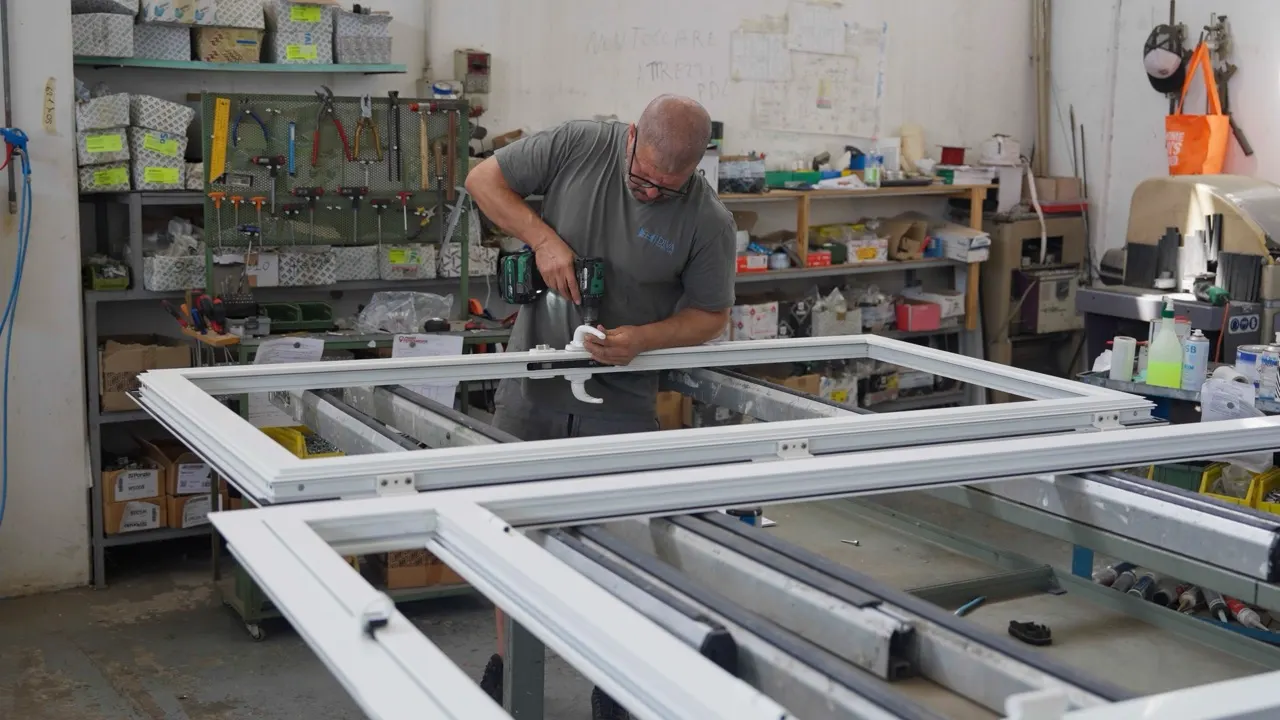
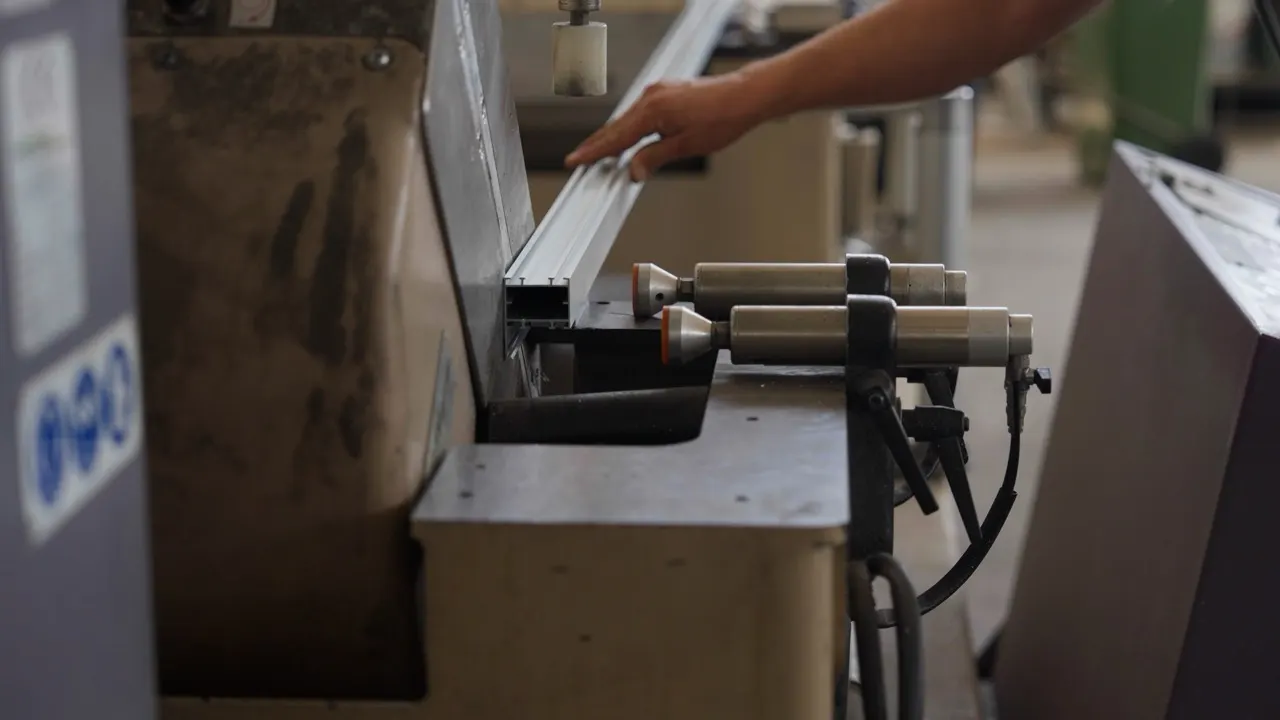
Jobs done between the coast and the Val Vibrata, and the workshop where we prepare everything to measure.

Reviews published on the Diva Infissi Google listing, reproduced here in full.
The reviews are shown in Italian, exactly as they were written on Google. We do not translate what our customers said.
IL TOP, DI MEGLIO NON C'È, SUPER CONSIGLIATO, Qualità cortesia e prezzi giusti
Verified review on GoogleI migliori, hanno svolto un lavoro impeccabile, cordiali e precisi in tutto! Lavoro di qualità im tempi ottimali! Grazie davvero
Verified review on GoogleEsperienza e professionalità prodotti di ottima qualità. Consigliatissimo.
Verified review on Googleottimo prodotto , prezzo giusto , persone cordiali e molto professionali nella scelta del prodotto e importantissimo presenti nel post vendita !consigliatissimi
Verified review on GoogleHo contattato la Diva Infissi per la sostituzione degli infissi di casa e sono rimasta molto soddisfatta. Il team è stato puntuale, professionale e preciso in ogni fase del lavoro, dal sopralluogo alla posa finale. I nuovi infissi sono di ottima qualità, hanno migliorato isolamento termico e acustico, e l’estetica della casa ne ha guadagnato. Un ringraziamento particolare al titolare sempre disponibile e attento alle richieste. Consiglio vivamente quest’azienda a chi cerca affidabilità, competenza e materiali di alto livello.
Verified review on GoogleWhy choose us
Our own fitters, not an outside crew. Whoever takes the measurements is whoever installs, so if something does not add up they notice on the spot and not later.
We see that at the site visit by opening it, not by eye from outside. If it has to be insulated or replaced it goes on the quote before we start, not with the job already open.
No. After the site visit the quote is the quote. The surprises inside the box we look for beforehand, precisely so as not to discover them later.
Often yes, if the roller and guides are in good condition: the roller is replaced with a motorised one and power is run to the control. At the site visit we look at whether that is worth it in your case or whether it is better to redo the curtain.
Yes, at Via dell'Industria 10 in Martinsicuro. A uPVC slat and an insulated aluminium one put side by side in your hand explain themselves.
We come back and sort it. We have been in Martinsicuro since 1990 and the houses we have worked on are right around here: we do not disappear once the invoice is paid.
Frequent questions
These are the questions that come up most often, on the phone and on Google.
None. They are two names for the same thing: a curtain of slats that rolls onto a roller inside the box and runs in two side guides. Avvolgibile is the technical term, tapparella is what nearly everyone calls it.
Not to be confused with the serranda, which is the shutter of a shop or a garage, or with the persiana, which is a leaf that opens to the side.
It depends on the size and on what you expect. uPVC costs less, it is light and it is fine on normal-sized windows. Insulated aluminium insulates more, does not distort and carries wide spans, so it is the choice on French doors and large openings.
There is also the question of how they last in the sun: a uPVC slat facing south all day works far harder than an aluminium one. If the window gets full sun, aluminium is the better compromise.
It means each slat is not hollow: it is a profile of folded aluminium filled with polyurethane foam. The foam does two things, it insulates against heat and cold and it stiffens the slat, which therefore does not bend or rattle in the guide.
The practical benefit shows in summer: with the roller shutter down the room stays cooler, because the sun is stopped outside the glass instead of inside the house.
They are two different trades. A roller shutter gives full darkness, is operated from inside without opening the window and can easily be motorised: it is the convenient choice, especially in a bedroom.
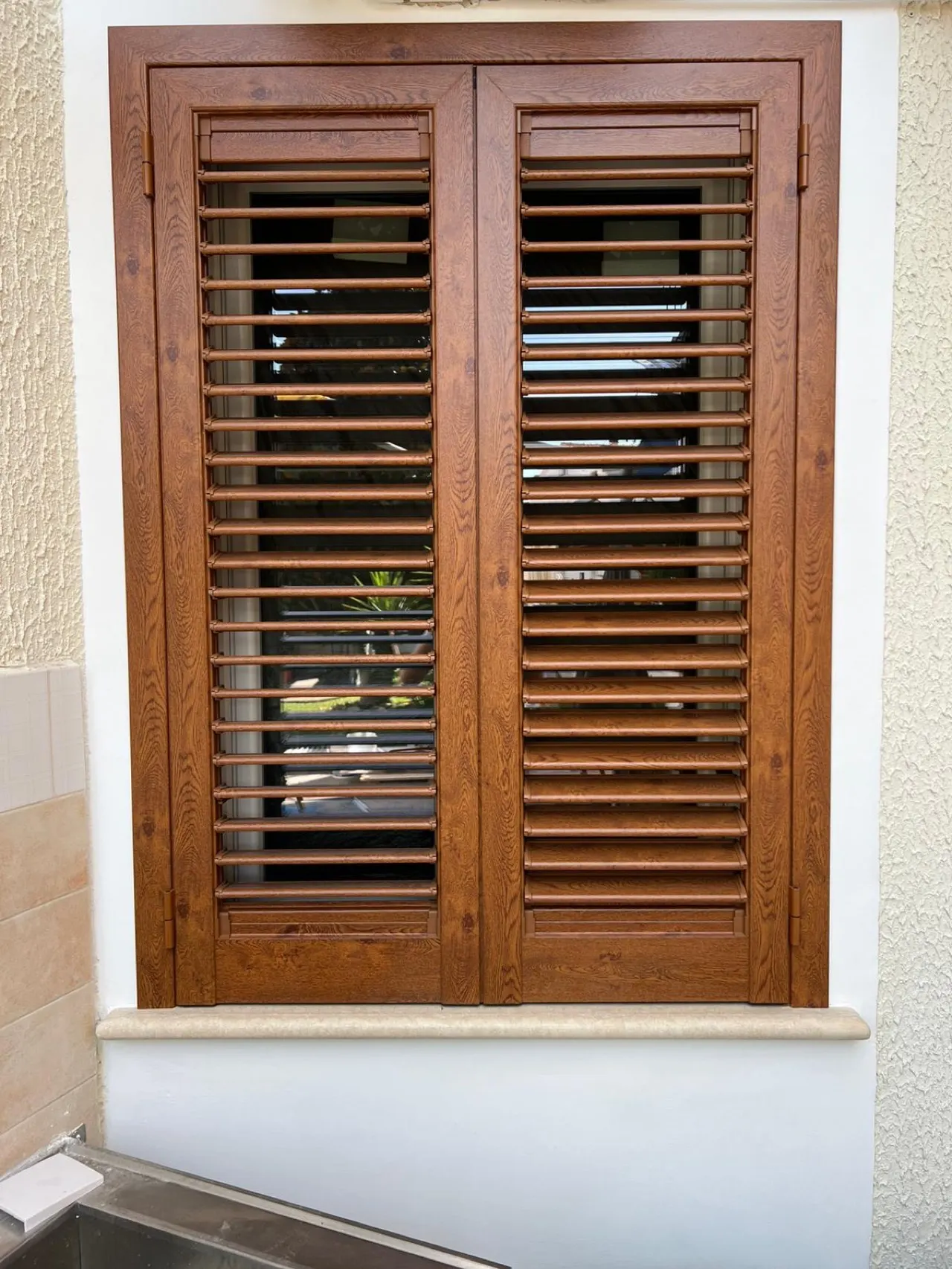
A louvred shutter with adjustable slats lets air and filtered light in while keeping the window shaded, and does not steal space inside the wall because it has no box. If your problem is sleeping in the dark, roller shutter. If it is having shade and air together, louvred shutter.
A motor makes sense when there are many roller shutters, when they are heavy or awkward to reach: a large French door on a strap makes itself felt every day. On top of that the strap disappears, and it is almost always the first part to break.
Manual still makes sense on small, little-used windows, and it costs less because there is no motor, no control and no power run. At the site visit you decide window by window; motorising the whole house is not compulsory.
Yes, and it is one of the works with the best ratio of spend to result. The box is an empty container open to the outside to let the curtain through: if it is not insulated, it is the coldest point on the whole wall, and draughts and noise come through there too.
It is insulated from inside with panels applied to the walls of the box, and the slot the strap comes out of is dealt with. The right moment to do it is when the box is already open to change the curtain, so it is not touched twice.
In two cases. If you replace them together with the window, they fall within the window works and follow the same route, ENEA filing included. If you change them on their own, the route is that of solar shading and blackout closures, which has its own technical requirements.
In both cases payment has to be made by dedicated bank transfer and the deduction is recovered in ten yearly instalments. Rates and ceilings change every year, so they have to be checked for the year in which you pay.
The width is measured from the back of one guide to the back of the other, not from outer edge to outer edge, because the curtain has to run inside the guides. The height is taken from the point where the curtain comes out of the box down to the sill, and the length that stays wound on the roller has to be added.
They are two measurements easy to get wrong by a few centimetres, and a mistake costs the lot: a curtain that is too wide will not go in, one that is too short leaves a gap. At the site visit we take them ourselves and the measurement is our responsibility.
You raise the curtain, lock it at the top, open the lid of the box and get to the roller. The old strap is unhooked from the pulley, drawn out of the guide on the wall, and the new one is threaded along the same route, then wound onto the winder keeping the curtain under tension.
If the strap has broken more than once in a short time the problem is not the strap: usually it is the rollers or the supports inside the box that are worn, and going on changing the tape is wasted time.
With warm water and mild soap, with the shutter down and a soft cloth, one side at a time. No solvents, no abrasive products and no pressure washer: pressurised water gets into the box and ends up on the mechanism.
Once a year it is worth going inside the guides too, where dust and sand build up. It is the dirt in the guides, more than the slats, that makes a shutter stiff when it used to run well.
See also
Let us start
It takes under a minute to answer. We call you back within 24 working hours to arrange the free site visit.
Or call 328 329 5757
Mon - Fri 08:00 - 12:15 / 14:00 - 18:15